Study Skills
Study Skills As a teacher candidate, you are embarking on a major new goal in your life, and it’s important to have a space, tools, and resources that set you up for success. This guide provides tips based on the experiences of other Talent Together teacher candidates to help you create an effective and comfortable learning environment. Six Tips for a Productive Work/Study Space Creating an optimal workspace is essential for focus and productivity. Consider these six tips: Designate a Space – Choose a specific area for work or study to create a clear boundary between work and home life. Block Distractions – Minimize interruptions by silencing notifications and setting boundaries with family or roommates. Proper Lighting – Ensure your workspace is well-lit to reduce eye strain and maintain alertness. Declutter Surroundings – Keep your workspace tidy and organized to reduce stress and improve focus. Go Green – Add plants or natural elements to create a calm and inviting atmosphere. Establish Rules – Set guidelines for when and how the space is used to maintain productivity. Prepare with Essential Supplies Having the right supplies ensures you are prepared for both digital and non-digital tasks. Keep in mind that individual needs vary, so tailor these suggestions to what works best for you. Please take advantage of your $750 annual supply reimbursement. Furniture: Desk or table, comfortable chair, and proper lighting to support long periods of sitting or standing at your computer. Wi-Fi: Ensure access to high-speed internet. Test your connection before class and adjust your router or workspace if needed. Devices: Use a laptop or desktop. Consider a second monitor, separate keyboard, and mouse for ergonomics. Tech Accessories: Webcam, headphones, and printer/ink if you need hard copies of materials. Office Supplies: Pens, pencils, highlighters, notebooks or notepads, sticky notes, stapler, tape, paperclips, and other essentials for non-digital work. Identify an Effective Planning Tool Teacher candidates often juggle full-time jobs, family responsibilities, extracurricular activities, and online schooling. Using a planning tool can help you stay organized. These may include: Paper planners – Great for those who prefer writing things down. Online calendars – Accessible on smartphones or computers, apps like Google Calendar offer flexibility and convenience. Online Calendars While some Teacher Candidates are more comfortable utilizing a paper planner, there are some clear benefits to using an online calendar: Access Anywhere: View your schedule from multiple devices. Schedule Events: Keep all meetings, classes, and appointments in one place. Input recurring events like weekly classes for consistency. Set Reminders: Receive alerts before classes or deadlines to stay on track. Block Time: Allocate specific blocks for studying, projects, or homework to increase productivity. Share with Family: Share calendars with family or team members to avoid scheduling conflicts and enhance coordination. https://www.youtube.com/watch?v=ZRThzZV1G7k Use Your Syllabus to Plan Ahead Your course syllabus is an important tool for staying organized and on track throughout the semester. It explains what the course covers, what’s expected of you, and how your work will be graded. A syllabus typically includes course and instructor information, learning goals, grading policies, expectations for late work and academic integrity, required materials, and details about how to get help. Think of the syllabus as a roadmap for the semester. Early on, scan it for major assignments, exams, and project due dates, and add those dates to your calendar or planner. For larger assignments, work backward from the due date to plan time for researching, drafting, and revising. Paying attention to busy weeks can help you balance coursework with other responsibilities and prevent surprises. By using your syllabus regularly—not just reading it once—you can plan ahead, manage your time more effectively, and avoid surprises as the semester moves forward. https://youtube.com/shorts/77Qr9R_1U8I?si=ts960h6vYbLWnMHz Time Management Time management is a common challenge for many Teacher Candidates as they balance work, coursework, and family responsibilities. This information highlights proven, effective time management strategies commonly used by online learners to help candidates stay organized, manage competing priorities, and find an approach that best fits their individual needs. 1. Set a Routine for Yourself A consistent daily routine can support productivity, wellness, and balance. Consider including: A regular sleep schedule: Prioritize enough rest to stay alert and rejuvenated. Healthy meals and hydration: Schedule time to eat nourishing meals and keep water available throughout the day. Daily movement or exercise: This could be as simple as a 15-minute walk after lunch or another brief physical activity. Time for breaks and connection: Make space for rest, relaxation, and time with friends and family. 2. Limit Distractions and Time-Wasters Reducing distractions helps maximize focus and efficiency. Avoid multitasking: Focusing on one task at a time often leads to better completion and deeper concentration. Identify and delay time-wasters: Activities like browsing the internet, video games, TV, or TikTok can derail productivity. Save them for after your priority tasks are finished. Silence devices during work periods: Turning off notifications during focused work time can significantly improve attention. Set boundaries: Move to a quieter space in your home or work from a library if needed. Let friends and family know when you need uninterrupted time. Designate times to respond to messages: Constantly replying to texts or emails can become overwhelming. Scheduling response times reduces stress and distraction. 3. Prioritize Tasks to Increase Productivity Prioritization helps you determine what needs your attention most urgently. This video explains a highly effective prioritization method known as the Eisenhower Matrix, which helps distinguish between urgent and important tasks: https://youtu.be/czh4rmk75jc Table of Contents
Writting Papers
Writing Papers With the right steps, any paper can be broken down into manageable pieces. This section walks you through the full writing process—from outlining your ideas to crafting a strong conclusion—so you can write clearly, confidently, and effectively. Book an Appointment with your Postsecondary Institution’s Writing Center Your institution’s writing center can be an invaluable resource as you work through the writing process – from outline to citing sources. As you get started, you can book an appointment with your institution’s writing center for extra support. #TEACH/Olivet Adrian College Alma College Aquinas Central Michigan University Concordia Davenport University Eastern Michigan University Ferris State University Lake Superior State University Northern Michigan University Professional Innovators in Education: Connect with your mentor to learn more about the counseling offered. Siena Heights University University of Michigan-Flint Western Governors University Western Michigan University Make an Outline A common assignment for college students is to write a paper on a specific topic or argument. The first step to writing an effective paper is creating an outline, or a general plan for your essay. This is essential for staying organized and focused from start to finish. This video will walk you through step-by-step instructions on how to create your essay outline: https://youtu.be/qy_Fs1Xsa84 The 3 Main Components of an Essay Outline Introduction paragraph – includes your thesis statement Body paragraphs – each with a topic sentence and supporting ideas Conclusion paragraph After completing your outline, your next step is to write an effective introduction paragraph with a strong thesis statement. This video explains, step-by-step, how to write a powerful introduction paragraph: https://youtu.be/4WDclqoGouY Introduction Paragraph The introductory paragraph sets the stage for your entire essay, so it’s important to craft it carefully. A strong introduction helps engage your reader, provides necessary context, and clearly states your main idea. There are three parts to an introduction: 1. The Hook The hook grabs the reader’s attention and encourages them to keep reading. Common hooks include: A quotation A thought-provoking question A surprising fact or statistic 2. Background Information Background information gives context for your topic and explains why it matters. This helps readers understand your focus before you present your main argument. 3. The Thesis Statement The thesis statement is the backbone of your essay. It clearly states your position or main argument and is usually placed at the end of the introduction paragraph. When writing a thesis statement: Be clear and specific Use your own original ideas and opinions Keep it to one concise sentence https://youtu.be/WCC6q9KFLNY Body Paragraphs Once you have written a strong introduction with a powerful thesis statement, you will move on to writing the body paragraphs. These paragraphs form the core of your essay and provide your main information. This video gives step-by-step instructions on how to write body paragraphs: https://youtu.be/hi9-acR3AgY Review: Each Body Paragraph Includes A topic sentence Supporting sentences A concluding sentence Supporting Sentences May Include: Explanation: Additional information about the idea Examples: Illustrations of the idea Evidence: Facts, numbers, or quotations supporting the idea Transition Words Transitions help your ideas flow smoothly. Examples include: For example Moreover In addition Also Finally Conclusion Paragraph The final part of your essay is the conclusion paragraph. This is where you restate your thesis, recap your main points, and leave the reader with a strong final impression. Do not introduce new ideas in the conclusion. This brief video reviews the 3 main components of a conclusion paragraph: https://youtu.be/Zd0tP2undNo Three Steps to Writing a Compelling Conclusion Restate your thesis Summarize your main points End with a powerful final statement Popular Ways to End a Conclusion Making a final, impactful observation Offering a call to action Ending with a powerful quotation Academic Writing Style (APA or MLA) Always check your instructor’s syllabus or assignment instructions for the required academic writing style. Many courses require APA (American Psychological Association) or MLA (Modern Language Association) format for citations. A helpful resource for examples and citation rules is: Reference List: Basic Rules – Purdue Online Writing Lab Use of Artificial Intelligence (AI) Talent Together expects Teacher Candidates to use AI tools responsibly and transparently. All coursework completed through your post-secondary institution must follow that institution’s academic integrity and AI-use policies. Your own ideas and voice must be evident in all work submitted to Talent Together, and when completing Registered Apprenticeship Program standards. Table of Contents
Online Learning
Online Learning Most of your coursework will take place online. Knowing where to log in and how to use your learning platform will help you stay organized, meet deadlines, and succeed from day one. This page explains what a Learning Management System (LMS) is and shows you which LMS your partner university uses, so you know exactly where and how your learning will happen. What Is a Learning Management System (LMS)? A Learning Management System (LMS) is the online platform where you will access your courses and complete your coursework. Your college or university uses an LMS to deliver classes, organize materials, and communicate important information. Through your LMS, you will: Access course readings, videos, and assignments Submit coursework and exams Track your progress and view grades Communicate with instructors and classmates Your LMS is designed to support your learning by keeping everything in one place. It also helps your instructors provide feedback, assess your work, and share updates, while allowing your institution to track course activity and academic progress. Getting comfortable with your LMS early will make it easier to stay on track and manage your time throughout your program. https://youtu.be/ezbJwaLmOeM Get to Know Your Institution’s Learning Management System As a learner, it is important to be familiar with your Post-Secondary Institution’s (PSI) LMS. Which LMS does your institution use? Below are links to tutorials and websites that explore and explain the Learning Management System for each of our PSIs. Please review before you begin your courses and refer to it frequently to ensure your knowledge is up to date! #TEACH- Information coming soon Adrian College Alma College Aquinas Central Michigan University Concordia Davenport University Eastern Michigan University Ferris State University Lake Superior State University Northern Michigan University PIIT Siena Heights University SNHU (Degree Forward) University of Michigan-Flint Western Governors University Western Michigan University Downloading Your LMS App on a Mobile Device Most Learning Management Systems have a mobile app you can download on your phone or tablet. If you regularly use a mobile device, downloading the app version of your LMS will be extremely beneficial—and is highly encouraged! Logging In Regularly & Enabling Notifications Having notifications turned ON for your LMS is essential to staying engaged and succeeding in your courses. Ideally, notifications should be enabled on both your mobile device and your email. If you choose to only enable one, be diligent about checking updates regularly. Enabling notifications will help you stay informed about deadlines, important events, and instructor communications. Table of Contents
Paying for the MTTC
Paying for the MTTC TC Resources > Finance and Reimbursements Talent Together will pay for Teacher Candidates to take the MTTC exam up to two times. We strongly encourage all Teacher Candidates to connect with their Academic Advisor at their Post-Secondary Institution (PSI) to ensure they are taking the correct MTTC exam at the appropriate time in their academic program. The exam can be paid for in one of two ways: consectetur adipiscing elit. Ut elit tellus, luctus nec ullamcorper mattis, pulvinar dapibus leo. MTTC Voucher Teacher Candidates can request a prepaid MTTC voucher code approximately 1 month prior to taking the exam. This is the recommended approach since the MTTC exam fee does NOT come out of the Teacher Candidate’s annual $750 allowance for textbooks and supplies. Complete this form to request an MTTC Voucher Code. Once your request is approved, you’ll receive a voucher code to use during checkout when registering for the exam. Voucher Code Request Reimbursements Teacher Candidates can pay upfront and submit a reimbursement request. Reimbursements must follow the Teacher Candidate Supply Reimbursement Guidelines, and it is important to note that paying for the MTTC in this way does count toward the annual $750 supply reimbursement limit. Table of Contents
Reimbursements
Supply Reimbursements Becoming a teacher shouldn’t come with financial roadblocks. In addition to your tuition, Talent Together reimburses for required textbooks and supplies—so you can focus on learning, not paying. Approved Reimbursements Teacher Candidates are eligible for up to $750 yearly in supply reimbursement. Candidates must be enrolled and actively participating in a partner Post-Secondary Institution (PSI) and with Talent Together. The supply reimbursement is designed to last for twelve months and follows the academic calendar. Funds will reset on August 1 of each year. Approved Supplies Course-required texts (including e-books and textbook rentals) Approved MTTC Study Materials (Mometrics) Computer or iPad (Limit one per Teacher Candidate, either a computer or an iPad) Microsoft Office (student discounts available) Headphones (Limit one per TC, up to $200) Graduation supplies (caps and gowns) Laptop Protective Case Not Approved Supplies Grammarly or similar subscription services Laptop bags/purses Transcript costs Desks Fingerprinting Background checks Loans or holds on account prior to Talent Together Any MDE Permits, including substitute or initial certification Process to Submit a Reimbursement Complete the reimbursement request in Droplet. You will be prompted to attach your receipts, W9, and ACH form. W9 Form ACH Letter Talent Together Individual.pdf You will get emails as your reimbursement request moves forward, including: If changes or corrections are needed When Accounts Payable receives your request When it is sent to the Director for approval When the form is fully completed by everyone involved Once you have submitted all your documentation, it can take up to 60 days to process and get the funds to you. If a check is mailed, it can take an additional 10 days for it to arrive in the mail. Important Notes Keep your receipts for all textbooks and supplies you purchase for coursework. This includes devices like laptops and tablets. You can submit receipts up to 90 days old, except if you’ve graduated from your program. Graduates must submit reimbursements must be submitted within 30 days of graduation The $750 annual stipend resets on August 1 each year. If you received more than $600 in supply reimbursements in a calendar year, you will receive a 1099 (IRS Tax Form). 1099s are mailed yearly by January 31st. Teacher Candidates should keep track of their supply purchases during the school year so they know how much funding is left. Be sure to download each submission to keep a record of when it was submitted. If desired, use this Google Sheet to keep track of your purchases: TC Supply Ledger If it has been more than 45 days since you submitted your receiptsand you have not received an update, or if you have any additional questions, please contact our Finance Team: Relevant Resources Teacher Candidate Supply Reimbursement Guidelines Reimbursement Form W9 Form ACH Letter Talent Together Individual.pdf Teacher Candidate Ledger Direct Textbook Purchase from PSI Bookstore Currently, the post-secondary institutions listed below allow Teacher Candidates (TCs) to purchase textbooks and supplies directly from the bookstore. Then, the post-secondary institution sends invoices directly to Talent Together, which is paid alongside the Teacher Candidates’ tuition bill (usually towards the end of the semester). These charges are taken out of the Teacher Candidate’s annual allowance of up to $750 (August 1st – July 31st). Central Michigan University Charge Limit: $750 up to the annual allotted allowance The CMU Bookstore 989-774-7493 Davenport University Charge Limit: $375 a semester, up to the $750 allotted allowance Students use their book voucher (which should be loaded to their student account) to purchase textbooks Panther Bookshelf Students purchase course materials at Panther Instructions Campus Store You can ask them questions related to course materials and access 616-554-4767 Ferris State University Charge Limit: $250 a semester, up to the $750 allotted allowance Additional funding may be available; please contact Student Financial Services for details. Ferris State University Online Bookstore 855-955-0398 Northern Michigan University Charge Limit: $600 a semester, up to the $750 allotted allowance NMU Bookstore Paul Wright – Store Manager 906-227-1166 FAQs Does Talent Together reimburse for both a laptop and a tablet? No, one device (computer or tablet) per Teacher Candidate is approved for the duration of their time in the program. You can choose either a tablet or a laptop, but not both. Does Talent Together reimburse for note-taking devices like “Remarkable”? Yes, however, this counts as the 1 computer/device. Does Talent Together reimburse for professional clothing? While Talent Together does not reimburse Teacher Candidates for professional clothing, we encourage TCs to visit https://michigan.dressforsuccess.org/. Some post-secondary institutions also have a closet with professional clothes where students can go and pick things out. Can I purchase goods secondhand from sources like eBay? Yes, as long as there is a valid receipt within 90 days. Does Talent Together reimburse for warranties on a device? No. Are background checks reimbursable if they are required for a class? No, background checks are not reimbursable, even if they are a class requirement. Talent Together can only reimburse for books and other academic supplies. Can I buy supplies for my classroom? No, only supplies needed for your post-secondary studies are eligible. Which MTTC Practice tests are reimbursable? Until March 31, 2025, any MTTC practice tests can be reimbursed. Starting April 1, 2025, Talent Together will only reimburse Pearson’s MTTC practice test or materials from Mometrix. This update ensures that everyone has access to high-quality student materials. Table of Contents
Tuition FAQs
Tuition, FAFSA, and FERPA Have questions about PSI tuition, financial aid, or required forms? We have answered the most common questions below. In order for Talent Together to pay your tuition, you may be asked to complete FERPA and FAFSA forms. We know these forms can feel confusing or intimidating, especially if you have never completed them before. If you need additional support, please contact your Success Navigator. Tuition FAQs What costs does Talent Together cover? Talent Together covers full tuition and fees for all of our Teacher Candidates. Talent Together pays tuition directly to the university once we are billed. We also provide a $750 annual budget for books and supplies for each Teacher Candidate. What should I do if I receive a bill? Talent Together works directly with all of our partner universities to pay Teacher Candidate tuition on their billing cycle. Most universities have auto reminders for account balances that cannot be shut off, so receiving a tuition reminder is not generally a cause for concern. Do I qualify for scholarships or a Pell grant while receiving Talent Together support? Yes! We encourage Teacher Candidates to pursue all kinds of tuition supports. Talent Together funds are “last dollar in”, which means that all other forms of aid are applied to the Teacher Candidate’s account prior to the Talent Together payment. Can I take out student loans while I am in Talent Together? Technically, Teacher Candidates can take out student loans if they qualify. However, we strongly discourage participants from taking out loans, because the purpose of our funding tuition, fees, and supplies while enabling participants to work full time is to for Teacher Candidates to begin their new career without the stress of the debt accumulated while in their teaching program! FERPA Form FERPA forms are your way to give permission to your post-secondary institution to share information with us. This is required so that we can pay tuition bills and confirm that you are in good academic standing. What contact information for Talent Together should I put on the FERPA Form? For name: Any Talent Together Representatives For relationship: Grant Provider Address: 321 E. Ohio Street, Marquette, MI 49855. The time frame indicated should be until the program is completed. What information am I required to release to Talent Together? You should share information for all purposes, including: Grades/GPA, academic status, or any other academic information and/or enrollment information Billing statements, charges, credits, payments, past due amounts, and/or collection activity Financial aid awards, application data, disbursements, and/or eligibility. I have not been able to submit my FERPA form yet because I haven’t been accepted to my post-secondary institution. Will I be withdrawn from Talent Together? No, you will not be withdrawn from Talent Together! We understand the timing of your acceptance to your post-secondary program is beyond your control. We will work with you to submit your FERPA form after you receive your acceptance letter from your post-secondary program. FAFSA Form The FAFSA (Free Application for Federal Student Aid) is a required form for undergraduate students to determine their eligibility for financial aid. This helps Talent Together maximize our state funding. Is the FAFSA Form Required? FAFSA forms are required for all undergraduate programs so that Talent Together can take advantage of federal grants and maximize our state funding. Do I need to submit a FAFSA form if I am completing a graduate level program? No, FAFSA forms are not required for master’s students. If you have already earned a bachelor’s degree, you do not need to submit a FAFSA. Can I use aid from the FAFSA to cover living expenses while I’m in school? Pell Grants awarded to teacher candidates first go towards covering the cost of tuition. If a Teacher Candidate needs the funds for living expenses, they may ask for an exception. Should I accept the TEACH grant from the Federal Student Aid office? TCs should be aware of the implications of the TEACH grant. The grant contains some very strict stipulations that TCs would have to follow in order to make sure that the funding remains a grant and does not convert into a loan. TCs should review the requirements of the grant, found here, and consult with a financial aid professional before accepting it. Will I be asked to take out a loan? No, Talent Together teacher candidates will never be asked to pay tuition or take out a loan. If you receive a bill from your post-secondary institution, please reach out to your Success Navigator. Table of Contents
Policies
Policies As a Teacher Candidate with Talent Together, you agree to certain expectations outlined in the Commitment Agreement and Teacher Candidate Policies. Frequently Asked Questions Professionalism What Ethical Standards Am I expected to Follow? All Teacher Candidates must follow the Michigan Code of Educational Ethics. What does “professional behavior” mean in practice? Professional behavior refers to the attitudes, values, actions, and observable behaviors that demonstrate your readiness to enter the education profession and represent Talent Together, partner school districts/ISDs, and your preparation program with integrity and respect. Being a professional educator means you consistently: Put students first by holding high expectations for all learners and using inclusive, evidence-based practices that support student growth. Show up prepared and reliable by being punctual, organized, and ready to engage fully in your responsibilities. Communicate respectfully and clearly with students, families, colleagues, and supervisors, using professional language and active listening. Act ethically and responsibly, following school, district, and university policies and maintaining appropriate boundaries, including online and on social media. Collaborate productively with colleagues and contribute positively to team and school communities. Seek and use feedback to reflect on your practice, take responsibility for your decisions, and continuously improve. Demonstrate cultural competence by respecting diverse identities, perspectives, and experiences and ensuring your actions and language are free from bias. Sources: Purdue University: Professional Dispositions in Education Rutgers: Professional Dispositions What are my communication responsibilities? Teacher Candidates are expected to: Respond to Talent Together staff within 72 hours Submit required documents by stated deadlines Keep contact information up to date You must notify your Success Navigator within one week of: Changes in school employment or role Tuition bills or communication that could affect program completion Any disciplinary action or legal matters, including investigations, misdemeanors, or felonies Employment Am I required to be employed by a school district while participating in Talent Together? Yes. Teacher Candidates must be employed by a Talent Together participating public school district, public charter school, or Intermediate School District (ISD) during the training experience and throughout the required teaching commitment period. If you are not already employed when you enter the program, you must secure qualifying employment no later than six months before the start of the Registered Apprenticeship Program (if applicable). What happens if I change school districts during the program? If you change districts, Talent Together may request a reference from your previous employer to help assess performance and ensure alignment with program expectations. District changes must continue to meet all Talent Together employment requirements. Can I work at a private school and remain in compliance with the program? No. Accepting a Teacher of Record or teaching position at a private school does not meet Talent Together’s employment requirements and places you out of compliance with the program. What does “good standing” as an employee mean? “Good standing” is defined by the terms of your employment agreement with your district, charter school, or ISD. You are expected to meet your employer’s expectations related to performance, attendance, professionalism, and conduct. Does participation in Talent Together guarantee a teaching job? No. Participation does not guarantee employment. Talent Together will prepare and support you in pursuing a teaching role, but you must successfully meet all requirements of the positions you apply for and complete the district hiring and selection process. Your Teaching Commitment How long am I required to teach after completing Talent Together? Your commitment depends on your program: Initial Certification: Teach for 5 years in your certification area at a Talent Together partner school or ISD Add-On Endorsement: Teach for 3 years at a partner school or ISD after program completion What happens if I don’t complete my teaching commitment? If you leave before completing your commitment, you may be required to reimburse Talent Together for tuition and fees on a prorated basis. Each year that you teach, you receive a 20% credit towards your 5-year commitment. For example, leaving after 3 years of a 5-year commitment requires repayment of 40% of tuition and fees. Exceptions may be approved for extenuating circumstances at Talent Together’s discretion. When does my teaching commitment start after completing Talent Together? Your teaching commitment begins after you receive your Michigan Teacher Certification and complete the required offboarding steps with Talent Together. Do I have to teach in a Talent Together partner district? Teacher Candidates may teach in any Michigan public school, including charter schools, as long as the district or ISD is a Talent Together partner and the role aligns with the certification area funded by the program. Do I have to teach in the certification area I was approved for? Yes. You are expected to teach only in the certification area funded by Talent Together. Your employment, apprenticeship (if applicable), and teaching commitment must directly align with that certification. Pacing & Program Completion Can I attend school part-time? Yes, according to the Teacher Candidate Policies, Teacher Candidates must maintain at least part-time enrollment at their post-secondary institution. Use this chart to confirm the minimum credit requirements for your post-secondary institution. Can I defer or pause taking classes? Yes, in the event that a Teacher Candidate needs to defer their post-secondary institution program, the deferment may be approved for up to one (1) consecutive year, and a Candidate may be granted only one deferment during the program. Additional deferrals or extensions will be reviewed by Senior leadership on a case-by-case basis. What if I experience challenges throughout the program? This is common! Enrolling in higher education as an adult, working full-time, and even supporting a family can be a lot. Things happen, and our team is here to support you! To get the best support, we encourage you to communicate with us as early as you can. Contact your Success Navigator or Educator Development Specialist immediately as challenges arise. What happens if I withdraw from Talent Together? If a Teacher Candidate withdraws from the Talent Together program after beginning coursework with a partner post-secondary institution, they are no longer eligible to reapply to the
Your Support System
Your Support System You’re not in this alone. This page shows you who’s on your support team, what they do, and who to contact at each step of your certification journey. TT Regional Support At Talent Together, our work is organized across four regions—Northern Michigan, Mid Michigan/Thumb, West/Southwest Michigan, and Southeast Michigan. Teacher Candidates are primarily supported within their assigned region, with Success Navigators serving as your first point of contact. This regional structure allows us to remain responsive and tailored in our approach, ensuring we effectively meet the distinct needs of schools and Teacher Candidates across Michigan’s diverse communities and contexts. Looking at the image below, which region are you located in? You can also check your county to see which region you belong to. Your Support Team No matter where you are in your certification journey, we are ready to support you. The chart below shows all of the different support teams you’ll encounter during your time with us. Who Do You Contact With so many teams ready to support you, it’s important to know who to contact for what. Start by thinking about the focus of your question. Success Navigators Success Navigators are your first line of support. They promote habits and routines that will lead to successful program completion and remove common barriers so that you can complete your degree and teacher certification programs. You can ask Success Navigators about: Onboarding to Talent Together Applying to post-secondary institutions Support during your coursework If you are off-track or at risk of not completing your university program Educator Development Specialists Educator Development Specialists support you in becoming an excellent educator. They oversee a portfolio of schools in their region, ensuring a high-quality candidate experience. Specialists lead Mentor and Model Teachers, designing and facilitating learning experiences and offering job-embedded coaching. You can ask Educator Development Specialists about: Registered Apprenticeships Mentor Teachers Model Teaching Days Coaching Mentor Teacher If you complete an apprenticeship year, the Mentor Teacher provides the day-to-day realities of classroom teaching with on-the-job coaching, modeling effective instructional practices, and offers feedback to help candidates grow in their teaching skills. Ask your mentor teacher about: RAP Standards Behavior Management Curriculum Delivery Postsecondary Institution Provides the coursework required for certification. They help candidates understand course expectations, provide feedback on assignments, and clarify concepts to ensure candidates stay on track. Ask your academic advisor at your postsecondary institution about: University policies Your course/program sequence Your grades or academic standing Meet our Team Contact your regional team members >> Table of Contents
How Talent Together Works with Districts to Place Teachers in Classrooms
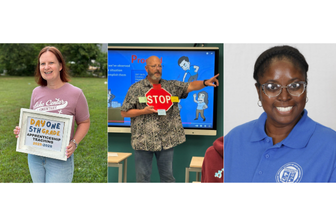
How Talent Together Works With Districts to Place Teachers in Classrooms Grow Your Own In 2022, seven Intermediate School Districts (ISDs) joined together to create a collective response to Michigan’s teacher shortage. ISD leaders partnered with Michigan Educator Workforce Initiative to create Talent Together. Today, Talent Together is a consortium of all 56 Michigan ISDs and supports over 1,200 active Teacher Candidates across 400 districts, with a new cohort joining this spring. In just a few short years, Talent Together has grown into the Midwest’s largest Grow Your Own program. Talent Together Management Team Grow Your Own (GYO) initiatives identify talented individuals who could be excellent teachers and are already working in or connected to a specific community. Individuals, such as paraprofessionals, support staff, long-term substitutes, or residents interested in teaching, are then supported through coursework and coaching, preparing them to earn certification and teach in their local schools. Research from Michigan State University’s Education Policy Innovation Collaborative (Grow Your Own Primer), GYO programs strengthen local teacher workforces when districts recruit from their communities, and preparation programs align coursework, clinical experiences, and support so candidates succeed (3–4). Talent Together builds on this model, focusing on the needs of districts, teachers, and students. “As a small, rural district, Talent Together has helped provide education and support to local residents who are interested in supporting and working for their community school district. This has helped us hire and retain residents who are involved and engaged not only in the school but in the community.” Jennifer Ellis, Superintendent at Morenci Area Schools Journey of a Talent Together Teacher Candidate Once accepted, a Teacher Candidate enrolls in a post-secondary institution and is supported by a dedicated Talent Together Success Navigator. Teacher Candidates begin by completing required coursework while continuing to work, building the knowledge and skills needed to enter the classroom. In their final year of coursework, most Teacher Candidates complete a Department of Labor–approved Registered Apprenticeship Program, which replaces traditional student teaching. During the apprenticeship year, Teacher Candidares work in a classroom alongside a Mentor Teacher, gaining hands-on experience while learning and observing. Talent Together Educator Development Specialists provide coaching and support to strengthen instruction and the mentor–mentee relationship. After completing the program and earning their certification, Teacher Candidates commit to teaching in a Michigan school for five years for an initial certification or three years for an add-on endorsement. The Registered Apprenticeship: Creating Staff Retention and Greater Student Supports During the Registered Apprenticeship Program, Teacher Candidates spend a full school year in a classroom with a Mentor Teacher while earning 80% of a first-year teacher’s salary. This model provides apprentices with hands-on teaching experiences, including working with small groups, leading lessons, and offering one-on-one attention to students, while providing districts with immediate classroom support. Mentor Teachers gain leadership and coaching development experiences while preparing the Apprentice for a classroom of their own, and reducing burnout when they step into their full-time position. “Hosting Talent Together Teacher Candidates has been a tremendous asset to our daily operations. The program offers our veteran teachers invaluable mentoring experiences, strengthening their own instructional leadership. The presence of these future educators means our classrooms have additional caring, dedicated future teachers providing support to our students every day.” Allison Jordan, Superintendent at Merrill Community Schools Success Stories To date, Talent Together has supported over 300 Apprentice Teacher Candidates, each one gaining invaluable experience and strengthening their community. Here’s a closer look at the journeys of a few of these future educators: Nine-year school support staff to future certified teacher Portage Public Schools is home to six Talent Together Teacher Candidates and three program alumni. Among those is Agatha Cottrell, who has worked at Portage Public Schools for the past nine years. She initially joined the Special Education team and later moved into a reading/math paraprofessional role. Agatha wanted to teach more but felt limited without the necessary schooling and certifications. “I thought this was too good to be true, not having to leave my current job or pay for school. To have a classroom of my own within the district I love! It’s been amazing to complete my apprentice year within the same building where I have worked for so long.” Agatha’s apprentice year has given her hands-on experience and confirmed she’s exactly where she’s meant to be. “My apprentice journey has solidified my desire to teach. Being in one room from the first day is something I can’t really explain. Knowing that my mentor is modeling exactly what I will do next year, and beyond, is knowledge not everyone has.” Chad Mason at West Bloomfield School District Chad Mason is currently completing his apprenticeship year in a High School Emotional Impairment (EI) Special Education classroom in West Bloomfield School District. Chad is thriving in a highly specialized setting, bringing warmth, consistency, and strong relationship-building to a classroom that requires clear structure and emotional support. During a recent visit, Southeast Region Educator Development Specialist Alisha Goins was struck by the positive classroom culture he and his mentor, Terry Battle, have created. In the first 10 minutes of instruction, he maintained a 9:0 ratio of positive to corrective interactions, and students responded promptly to directions. He provided 14 opportunities for students to respond, and there were no disruptions, contributing to strong engagement. The classroom felt calm, structured, and student-centered, reflecting his growing skill and dedication. LaVita Thopson at Detroit Academy of Arts and Sciences LaVita Thopson is completing her apprenticeship at Detroit Academy of Arts and Sciences (DAAS). She discovered her passion for teaching while working as a substitute teacher and paraprofessional, and now, as she pursues her Special Education certification, she is seeing that passion become a reality. “The support from Talent Together and DAAS has been amazing. They are truly here for us, and everyone is making sure I am understanding and progressing as an educator. I am excited about all that has been and is to come.” LaVita is one of
Mid-Michigan Matters: Placing more teachers in classrooms
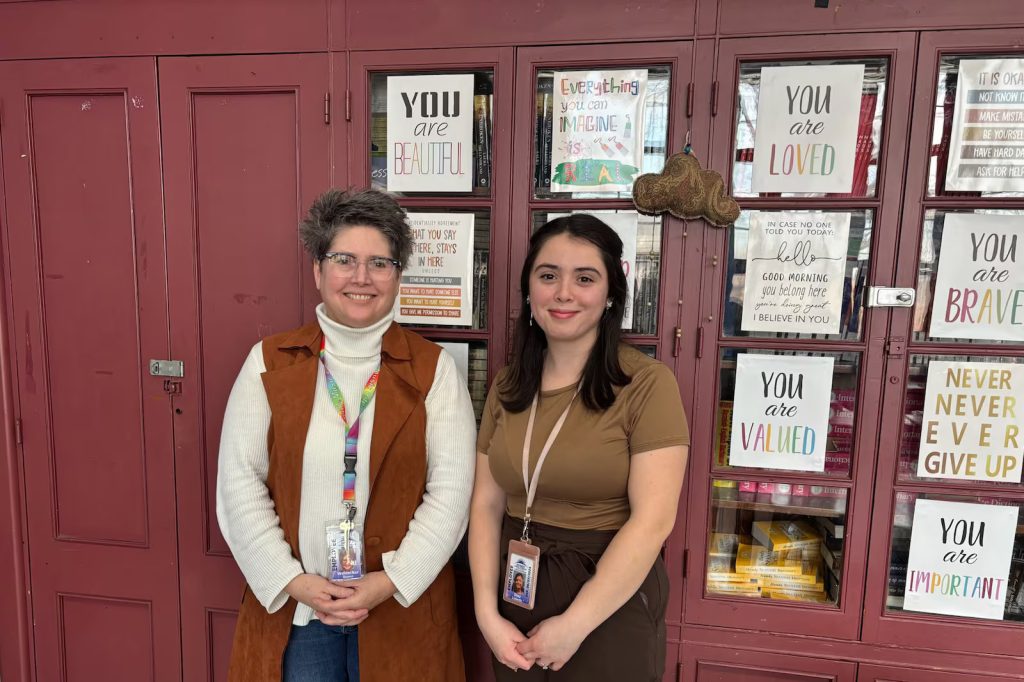
Mid-Michigan Matters: Placing more teachers in classrooms By Taylor Gattoni, WILX 10 LANSING, Mich. (WILX) – A local organization is aiming to address Michigan’s educator shortage by placing over 200 teachers in classrooms. Dr. Sarena Shivers with Talent Together joins Mid-Michigan Matters to discuss the shortage and how Talent Together is helping schools connect with teachers. https://youtu.be/tgi4eRwpnmM?si=peY2cyKb-agWt-rk